Wooden furniture is timeless. It boasts a rustic appearance that can lend itself to a variety of interiors, which could be why it's so incredibly popular. A professional coating comes standard on most wooden furniture and can make it appear even more vibrant and colourful; however, to maintain its appearance, regular care and maintenance are required. For instance, harsh chemicals and standard surface cleaners can strip away the lovely polished finish, and once it's gone, it's very difficult to repair. So, to help you, our adored readers, we have compiled this comprehensive EZ Living Furniture care guide for wooden furniture. In this guide, you’ll learn how to care for and clean your items while preventing them from becoming dull and lifeless over time.

Do Some Research
Knowledge is key, especially when it comes to wooden furniture. If you don’t do any prior research to find out the type of wood you own, you run the risk of using something on it that damages it and completely ruins the finish. To prevent this from happening, refer to the manual that came with your item; the name of the wood you have is likely listed here. If you no longer have this manual, don't worry; there is another way to find this information. If you can remember the name of the item you purchased, you can simply search for it online; the wood type is typically listed under the product description of the item. You could also contact the retailer you purchased the item from to ask about your previous orders and the material they are made from. Just remember, it's the wood type that defines its individual cleaning method and not the product type (i.e. a sideboard or dining table).
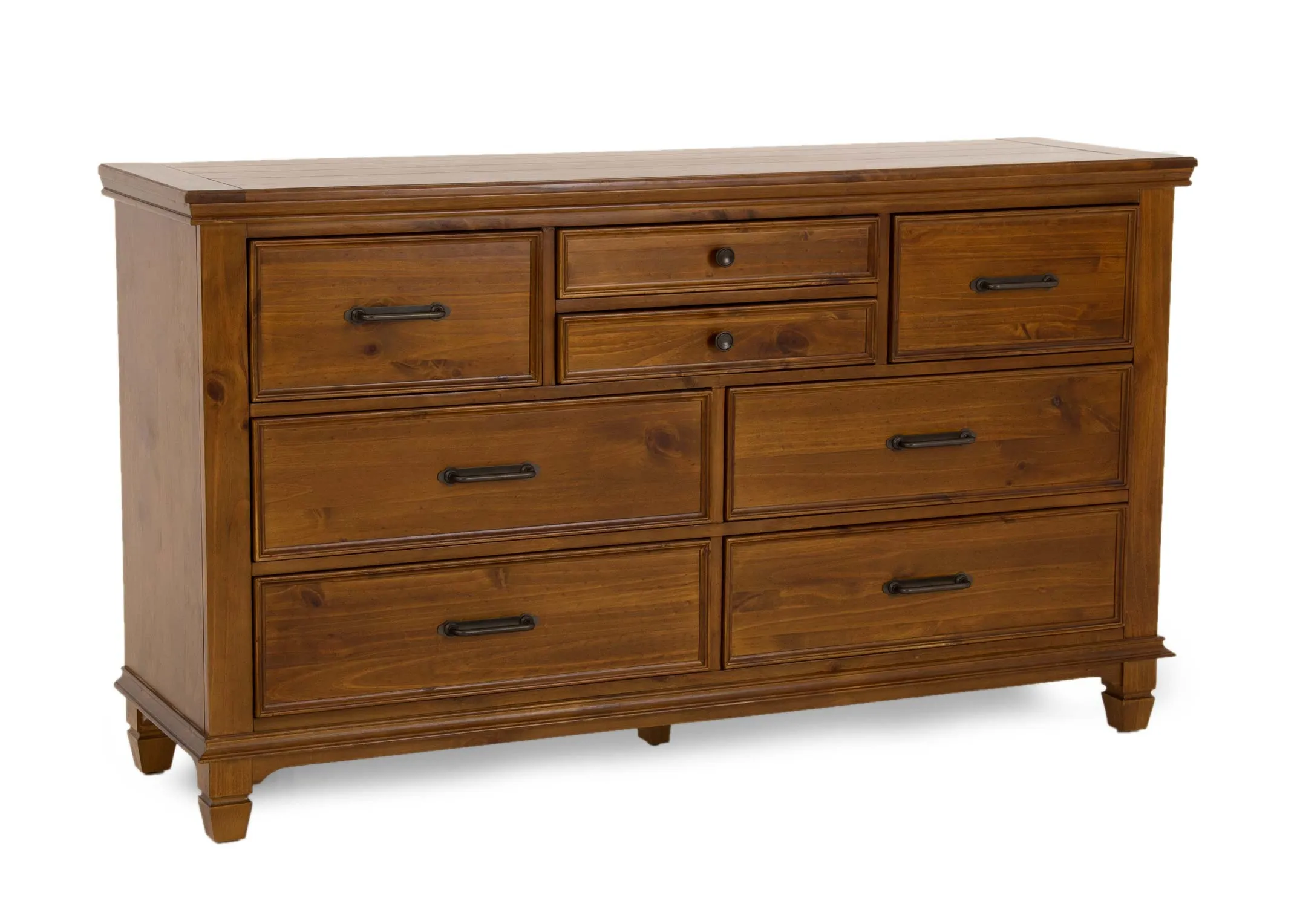
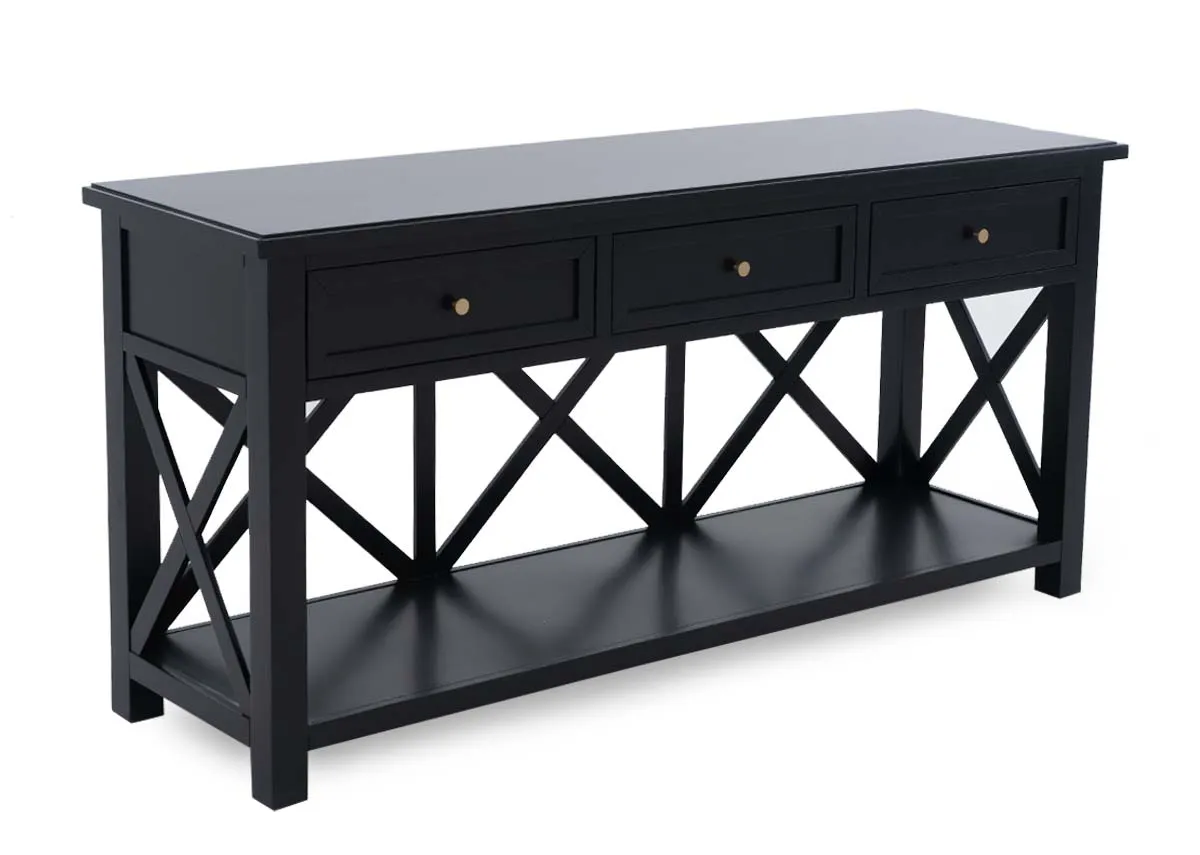
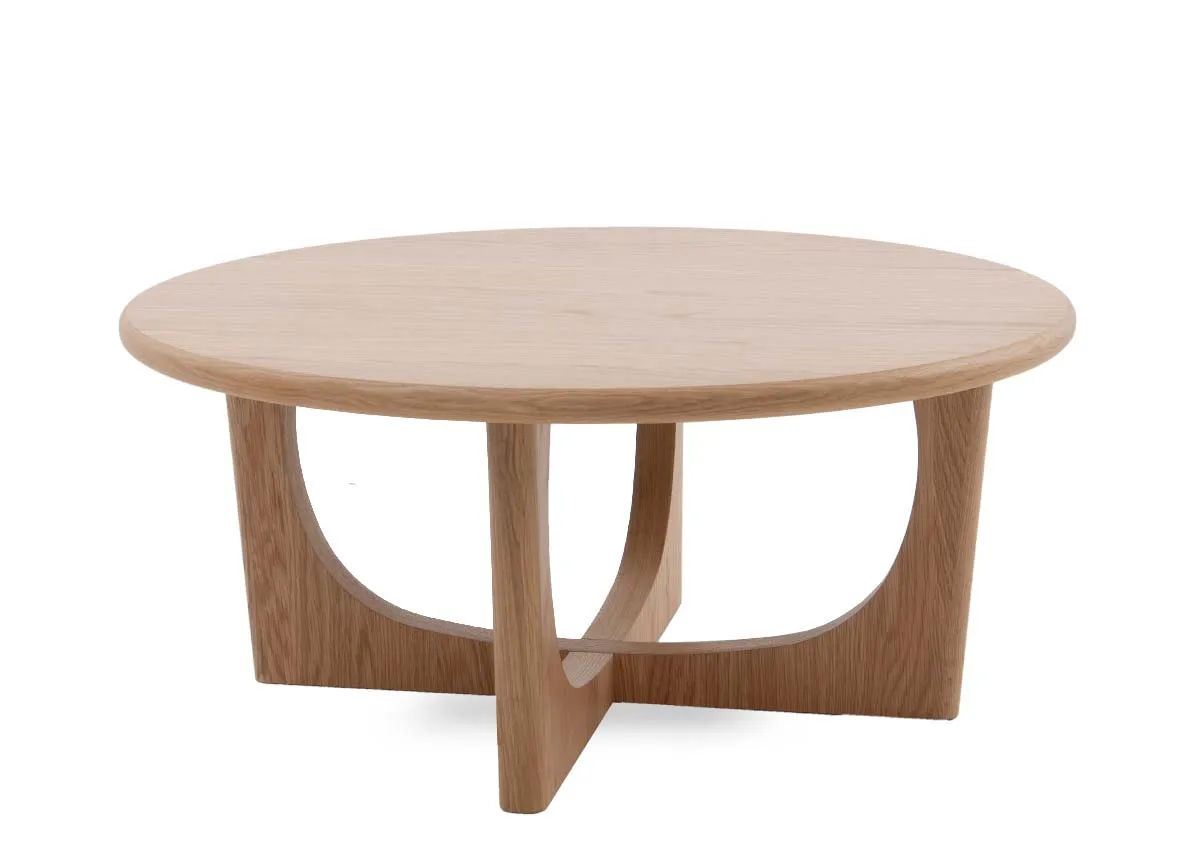
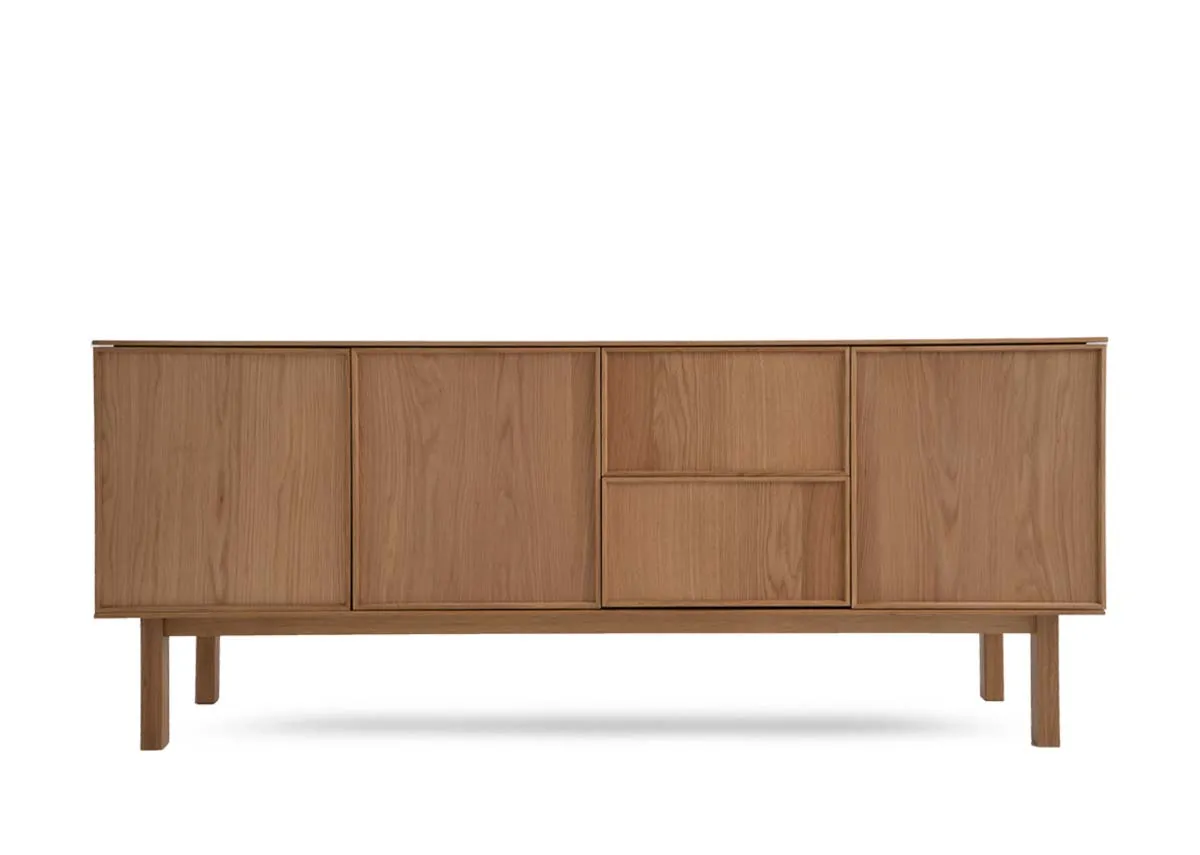
If you're still a little unsure about the type of wood that you have in your home, we have listed the characteristics of the two wood types below (hardwood and softwood) to help you visually determine which closely matches your item(s).
Put simply, wood is categorised into two groups, hardwood and softwood, and we’ve listed their characteristics and cleaning methods below.

Hardwood
Hardwood comes from slow-growing trees. Think walnut, oak, maple, teak, and beech. While it is the more expensive of the two wood types, it’s incredibly strong and heavy and will last a lifetime if properly cared for. It has a high fire resistance, but only to a certain degree (no wood is ever fully fire-resistant). Hardwood is the more durable of the two wood types, but does require a little more maintenance to keep it looking its best over time.
How To Clean Hardwood
1. Cleaning hardwood is relatively straightforward, especially when it comes to everyday cleaning. For spills and general wiping up after mealtimes, a damp microfibre cloth will suffice.
You must use a lint-free cloth, as failure to do so could result in scratches and those annoying little fibres that cloths sometimes leave behind. Equally, the amount of water used is important. You must ensure that there isn’t enough water to leave a residue.
2. You can remove dust from hardwood using the same method above. The damp microfibre cloth will remove dust from the wood's surface without spreading it around the room or damaging it with harsh chemicals. When dust gathers on hardwood, it becomes abrasive and can damage your items, so it must be removed regularly to prevent any permanent damage.
3. Do not use paper towels on your hardwood as they could scratch your wood’s finish.
4. Do not use any household cleaners on your wood as it will damage the finish.
How To Maintain Your Hardwood Furniture
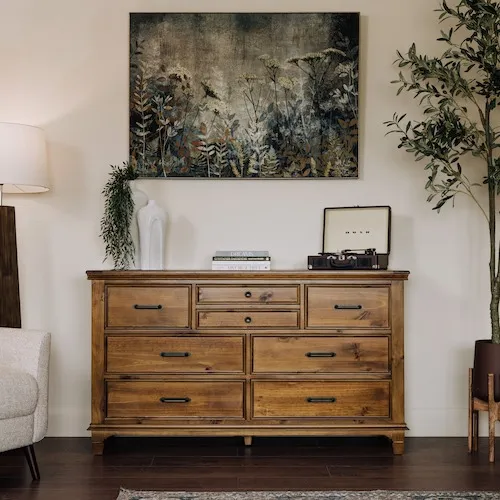
Hardwood does require occasional maintenance to keep it looking its best. You will need to oil it regularly with Danish Oil, which will prevent it from drying out, cover any faint scratches, and add a water-repellent coating to the surface of the wood. Regular oiling will also add lustre and colour to the wood. This technique should be carried out 3-4 times a year.
Softwood
Softwood comes from trees that grow much faster than your typical hardwood tree. Pine, redwood, larch, fir, and cedar are just some examples. Softwood is usually less expensive than hardwood, but its lifespan is typically shorter, and it tends to have a lower fire resistance. You’ll be delighted to hear, though, that this wood type doesn’t require any maintenance (like oiling or sanding) if already lacquered and sealed.
How To Clean Your Softwood
1. The same cleaning techniques listed above apply to softwood. For everyday cleaning, a damp lint-free cloth is sufficient to clean up spills.
2. Similarly, using a damp microfibre cloth will remove any dust that has accumulated on your wood’s surface.
3. Never use paper towels on your softwood as they could scratch your wood’s finish.
4. Do not use any household cleaners on your wood as it will damage the finish.
How To Maintain Your Softwood
Softwood usually comes lacquered/sealed, and this coating is highly resistant to heat and water, which is great news because it means that you won’t need to oil it at all! That’s right; there’s no real maintenance for a softwood piece of furniture.
EZ TIP: Some hardwoods and softwoods have a waxed finish. You should treat them like hardwood, but instead of regular oiling, you will need to use an appropriate wax to maintain their appearance.

Now that you are familiar with the various cleaning techniques required for certain types of wooden furniture, there should be no excuse for your items not to look their best in your home. To view our full range of hardwood and softwood furniture, browse our entire dining table range here.
Interesting Read: How To Spring Clean Your Furniture.
We hope you enjoyed this content and found it useful and informative. We aim to share our expertise and knowledge with our customers and to do this we have a team of content creators working tirelessly behind the scenes. We do not use AI to create our content. Click this link to find out more about our team and content guidelines.
Share this post