When new furniture first arrives in our homes, many of us are guilty of taking extra care of it. Maybe you'll place blankets over your new sofa or armchair, or ban family members from sitting at your dining table; perhaps you'll even oil it and moisturise it regularly. But unfortunately, with time, many of us begin to relax, and ultimately, that's when stains, spills, and general dirt, grime, wear and tear begin to appear.
Now, we're not about to recommend slipcovers because at EZ Living Furniture, we know these can take away from the look of your furniture, but we do have some other suggestions, including ways to clean your upholstery without taking up too much time or effort, and cleaning tips that will keep your furniture looking pristine for years to come.
* Please note: This cleaning blog relates to fabric upholstery only. The same techniques should not be used for alternative materials such as leather.*
1. Regular Cleaning & Care
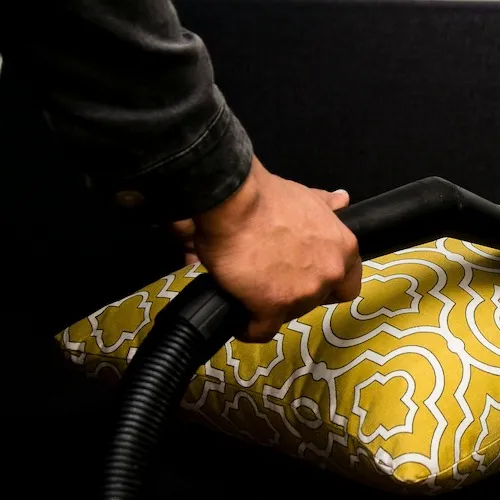
Some cleaning tasks must be carried out every week, if not every week, then every few weeks, to keep upholstered items looking their best. Whether it’s velvet, faux suede, polyester, tweed, or chenille you're dealing with, you'll be delighted to learn that the cleaning technique remains the same, and all you need is one item that most householders already own - a hoover (with a brush attachment).
1. First, you need to attach the brush attachment to your vacuum cleaner, and then switch it to a low-suction setting.
2. Next, gently move the vacuum head (with brush attachment) over the entire piece, paying particular attention to the sides, back, top, and cushions if applicable. If you are vacuuming a sofa with removable cushions, take them off first to effectively hoover underneath.
EZ TIP: Velvet tends to gather more fluff and dust than any other material listed above. Use a lint roller to quickly and safely remove these from your velvet piece. This additional task will need to be carried out every couple of weeks.
2. Irregular & Occasional Maintenance
Some unexpected incidents can occur over the lifespan of your upholstered piece, and it’s important to know how to address these. While we might not plan for stains or spills, they still happen and tackling each one requires knowledge and a unique cleaning solution. To help you, we’ve listed the best way to spot-treat each material type below.
Velvet: Surprisingly, velvet is one of the easiest materials to clean. First, you will need to allow the spill to dry into the mini fibres. Next, fill a bowl with warm, soapy water and dip your cloth into it, then wring it out until it's damp. Finally, rub the stain with your soapy cloth and allow it to dry. An upholstery wipe and baby wipe can also be used to tackle the stain, but always remember to test these on an inconspicuous area of the item first to test their compatibility with your item and prevent any permanent damage.
Faux Suede: Another easy-clean fabric is faux suede. All you need to do to tackle an unexpected spill is quickly soak up the excess moisture with a paper towel. Then use a damp, clean cloth with plain water to address the spill.
Polyester: Stains aren't a problem for Polyester, if you are clever and invest in our Guardsman fabric care kit. Using the stain remover spray from the kit, you can simply apply it to the affected area, then lightly blot the area with a damp cloth to finish. It's important not to rub the area with your cloth, and you must also allow it to dry naturally after blotting. We always recommend testing any chemical on a concealed area first, and this stain remover is no different. You might also notice pilling or bobbling on polyester after some use, and this is natural because it is a tightly woven fabric. It is similar to the fuzzing you might find on a wool jumper, but don't worry, it can be easily removed using a battery-operated fabric shaver (or debobbler).
Tweed: It's simple - follow the same instructions as listed with the polyester fabric above.
Chenille: Using cool soapy water and a damp cloth, blot at the stain until it lifts. Do not scrub or rub harshly on the stain or use an overly damp cloth. Lastly, remove the soap residue using a clean, white cloth dipped in cool, clean water and allow it to dry naturally.
Occasional maintenance for all fabrics: We also recommend enlisting the help of a professional to steam-clean/shampoo your fabric furniture every 12-18 months. This will remove body/pet odours from the fabric that have built up over time. To prevent any differences from occurring in the colour and fabric of the fabric, remember to have all matching pieces of furniture cleaned at the same time.
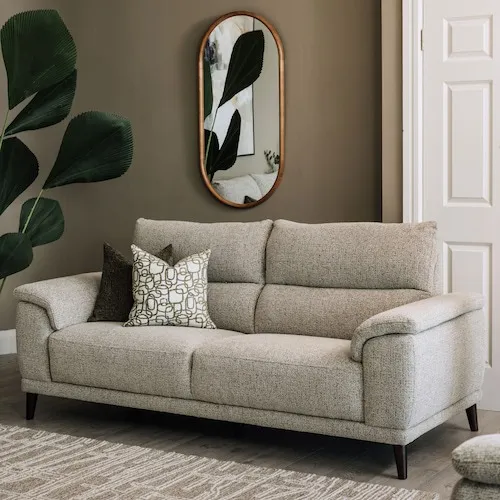
If you're looking for furniture upholstered in a material that is relatively easy to maintain, choose fabric. Fabric doesn’t require a lot of effort to keep it looking its best; all it needs is the occasional hoovering and rare spot clean for accidental spills.
Busy household? Perhaps a fabric sofa, footstool, or bed frame is the best option for you!
We hope you enjoyed this content and found it useful and informative. We aim to share our expertise and knowledge with our customers and to do this we have a team of content creators working tirelessly behind the scenes. We do not use AI to create our content. Click this link to find out more about our team and content guidelines.
Share this post